


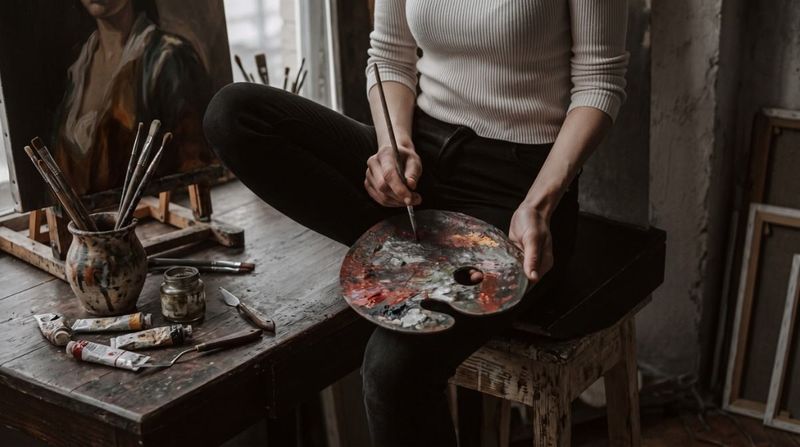
"They're just naturally talented."
We say it almost automatically when we see someone draw, paint, or create something that stops us in our tracks. It feels like the obvious explanation. But how much of that ability is actually inborn, and how much of it is invisible: the hundreds of hours of practice, the failed sketches nobody saw, the small decisions made and remade until they finally worked?
Talent might explain where someone starts. It rarely explains where they end up. What separates a good artist from a great one usually has less to do with a gift they were born with and more to do with what they chose to do with it, day after day, for years.
Is artistic talent something you're born with?
There's no denying that people start from different places. Some kids pick up a pencil, and their proportions are already close. Others have an eye for color before anyone has taught them a thing about it. That's real, and it's worth acknowledging instead of pretending everyone begins on equal footing.
But early ability is not the same as long-term achievement. A child who draws well at seven has an advantage in that moment, not a guarantee for life. What tends to matter more over time is exposure: whether a kid grew up around art supplies, whether someone encouraged them after a bad drawing instead of only praising the good ones, and whether they had any real opportunity to keep going.
This is really a natural talent vs. practice question, and it rarely has a clean answer. Genetics might load the gun. Environment and effort are what actually pull the trigger, over and over, for years.
Talent vs. Practice: What matters more in art?
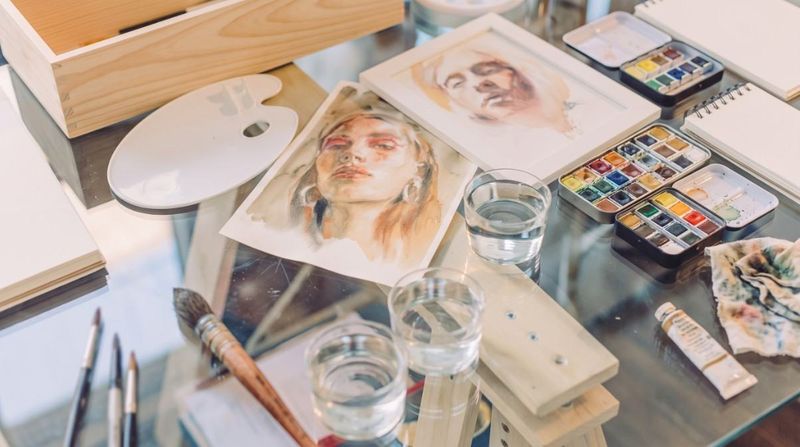
It isn't a fair fight to begin with, because the two aren't doing the same job.
Natural ability shows up early. It can mean faster initial progress, a sharper eye for detail, better hand-eye coordination, or just enough early confidence to keep a kid from giving up in month one. That head start is real, but it's small compared to what comes next.
Practice is where the actual skill gets built. It shapes technique, sharpens observation, and teaches someone how to solve a visual problem they've never faced before. It builds a working vocabulary of shapes, values, and composition that a person can draw on without thinking. And, maybe most importantly, it builds confidence that isn't dependent on being told "you're so "talented" confidence built on having done the thing, badly, enough times to get better at it.
This is the real substance of the talent vs hard work in art debate. Talent opens a door. Practice is what walks through it, thousands of times, until the walking gets easier.
What actually separates good artists from great ones?
Technical skill gets someone in the room. It's rarely what makes people remember their work.
Observation: Great artists notice things other people walk past: the way light catches the edge of a jaw, the particular slouch of someone waiting for a bus.
Curiosity: They keep asking, "Why does this work?" long after they could technically already do it.
Experimentation: They're willing to try something that might not work, and often it doesn't. That's part of the process, not a detour from it.
Originality: At some point, copying stops being enough. Great artists start making choices that are recognizably theirs.
Reflection: They look back at their own work honestly, figure out what actually worked, and let that inform the next piece.
Consistency: Maybe the least glamorous one. Showing up and making work even when the progress feels invisible.
None of these are talents you're handed at birth. They're habits, built the same way any habit is built: slowly, through repetition, often without noticing it's happening.
Why some artists progress faster than others
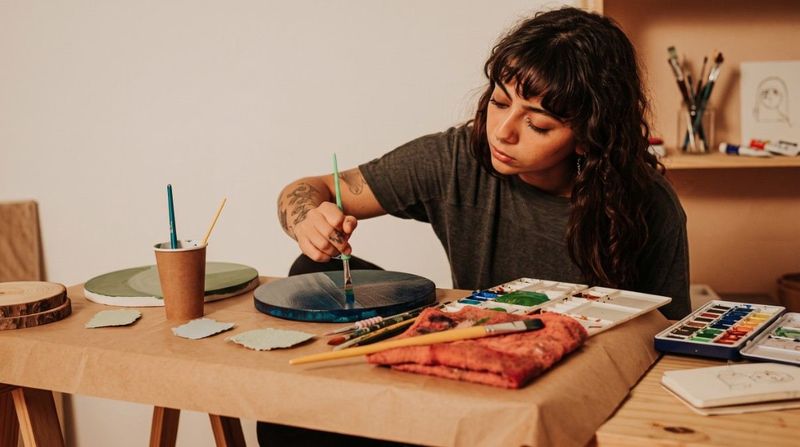
This is one of the most common questions in any art classroom, and it deserves a real answer instead of a vague one.
Progress speed depends on prior experience, the amount and quality of practice someone puts in, the feedback they get, whether they have a mentor or teacher pointing out blind spots they can't see themselves, access to decent materials, how much time they spend actually observing the world instead of just their reference photos, and their own motivation on any given week.
Different people also learn differently. Some need structure and repetition. Others learn faster by experimenting freely and figuring things out through trial and error.
Here's the part worth remembering: faster early progress doesn't mean greater long-term potential. Someone who develops slowly and steadily can, and often does, end up going further than someone who sprinted out of the gate.
The role of deliberate practice in art
There's a real difference between "I draw every day" and "I noticed my hands look flat, so today I'm doing twenty minutes just on hands."
The first is a habit. The second is deliberate practice, and it's the version that actually moves the needle.
Deliberate practice art looks like working specifically on proportions until they stop feeling like guesswork. Studying how light falls across a form instead of just rendering what you assume is there. Testing different compositions on the same subject instead of settling for the first one. Sitting with color relationships until you understand why two shades clash or complement each other. Going back to a piece that didn't work and figuring out exactly where it went wrong.
None of this is comfortable. It's slower than just drawing whatever comes naturally. That's also why it works.
Can anyone become a great artist with enough effort?
Not exactly, and it's worth being honest about that instead of pretending otherwise.
Practice can dramatically improve anyone's artistic skill, sometimes to a degree that surprises the person doing it. But different people bring different strengths, interests, and circumstances, and none of that levels out completely no matter how hard someone works. Access to good teaching, time, and encouragement genuinely changes what's possible, and not everyone gets the same access.
What's true is this: consistent effort develops abilities that often look "natural" from the outside, even when they were built one deliberate session at a time. And greatness in art was never only about technical precision anyway. Some of the most compelling work isn't the most technically flawless. It's the work that says something only that person could have said.
This is really the heart of artistic skill development as a whole subject: less about reaching some universal ceiling, more about how far a person can take their own particular starting point.
Growth mindset and artistic development
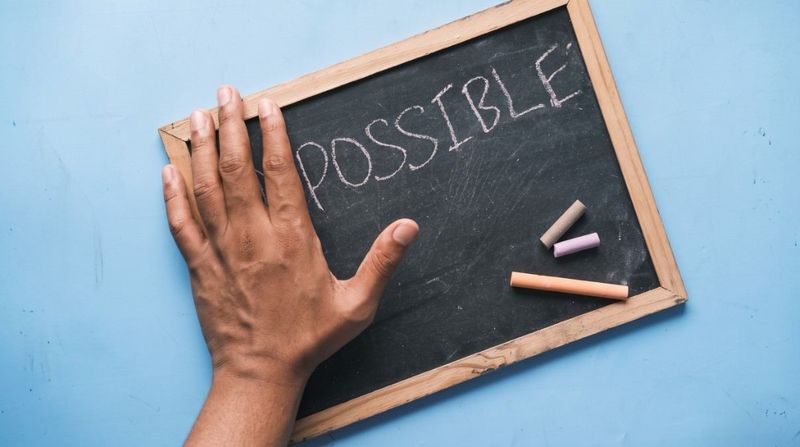
There's a specific sentence that quietly ends a lot of people's art practice before it really starts: "I'm just not good at art."
It sounds like a fact. It's actually a decision, and a fairly permanent one, because it closes the door on trying again.
The alternative isn't blind optimism. It's a small shift in phrasing: "I'm not good at this yet." That one word changes what a bad drawing means. It stops being proof of a fixed limitation and starts being a normal, expected part of getting somewhere.
Growth mindset artists tend to treat criticism as information instead of a verdict. A failed painting becomes data, not a final judgment on their ability. That difference in how someone interprets a bad day at the easel often predicts whether they're still making art five years later.
How observation and creative thinking shape artistic skill
Becoming a better artist isn't only a hands-on skill. It's also a thinking skill, and this part gets left out of a lot of conversations about talent.
Artists have to learn how to actually observe, not just look. They have to question what they're seeing instead of accepting the first assumption. They interpret, compare one option against another, imagine possibilities that aren't in front of them yet, make deliberate decisions among them, and solve problems that don't have an obvious right answer.
This is where the nature vs. nurture creativity question gets interesting, because creative thinking itself can be developed. It's not fixed at birth any more than technical skill is. Artistic development, at its core, is also intellectual development. The eye and the hand are only part of the story.
Read More: Creative Minds, Creative Future
Building Artistic Skill Over Time
There's a rough shape to how this actually happens, even though it looks different for everyone in the details.
Explore: Try different materials, subjects, and approaches before narrowing down to what feels right.
Observe: Study the world with real attention, not just as reference material.
Practice: Work deliberately on specific weaknesses instead of just repeating what's already comfortable.
Experiment: Let some pieces fail. That's not wasted time; it's part of the process.
Reflect: Look honestly at what worked and what didn't, and figure out why.
Develop: Slowly, without really noticing the exact moment it happens, build a visual language that's recognizably your own.
This is art mastery over time, and the phrase is doing real work: mastery and time. Not one without the other.
Conclusion:
Talent may be where you start. It doesn't have to decide where you finish.
Great artists aren't defined only by what came naturally to them. They're defined by what they kept doing after the natural part ran out: the observing, the practicing, the questioning, the experimenting, the reflecting, and the showing up again the next day.
Maybe instead of asking a young artist, "Are you talented?" the more useful question is "What are you curious enough to keep exploring?" That shift, from talent to development, is really where meaningful artistic growth happens.
A small note for parents and teachers: calling a child "talented" too early can backfire in a quiet way. It can make them afraid to fail, because failing suddenly feels like proof they were never talented after all. Praising the curiosity, the effort, and the willingness to try something again after it didn't work the first time builds something more durable than a label ever could.
FAQs
1. Is artistic talent something you're born with or something you build?
Both play a role, but early natural ability explains far less about long-term skill than sustained practice and exposure do.
2. What actually separates good artists from great ones?
Not raw technical skill alone, but observation, curiosity, experimentation, originality, honest reflection, and consistency over time.
3. How much of skill in art comes from practice vs. natural ability?
Natural ability may shape a starting point, but deliberate practice is what builds the actual technique, judgment, and visual vocabulary an artist relies on.
4. Can anyone become a great artist with enough effort?
Not identically, since circumstances and access vary, but consistent effort can develop abilities that often look "natural" from the outside.
5. Why do some artists progress faster than others?
Differences in prior experience, quality of practice, feedback, mentorship, and learning style all play a part, though faster early progress doesn't predict greater long-term potential.