


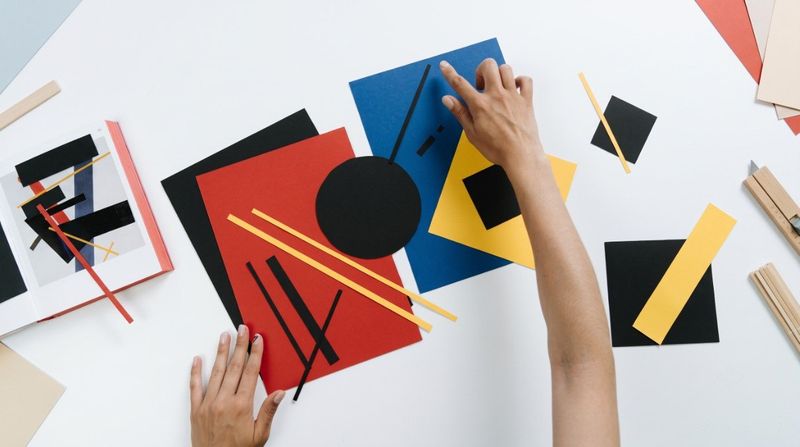
Tell someone to "draw anything you want," and watch what happens. More often than not, they freeze. The pencil hovers. The blank page stays blank a little longer than it should. Total freedom sounds like a gift, but in practice it can be one of the hardest starting points in art.
Now try something different. Say instead, "Create something using only three shapes. " Suddenly there's something to grab onto. A circle, a triangle, a square, and a decision to make. The limitation gives the mind a place to start.
This is the idea at the center of this article: constraints don't always restrict creativity. Sometimes they activate it. Understanding why can change how you approach your own work and how you teach creativity to others.
What Are Creative Constraints?

A creative constraint is simply a boundary placed intentionally around a creative task. It could be a limit on time, materials, color, subject matter, or technique. The key word is intentional. A constraint isn't something that happens to an artist by accident; it's a rule chosen on purpose to shape how a problem gets solved. Constraints don't remove creativity from the process. If anything, they redirect it. Instead of facing an open field of infinite choices, the artist is handed a specific problem, and creativity becomes the tool used to solve it.
Examples of Creative Constraints in Art
- Use only two colors
- Create an artwork in 10 minutes
- Use only geometric shapes
- Work with recycled materials
- Create without using a particular tool
- Tell a story without using words
Each of these examples narrows the field of possibility. And that narrowing is exactly where the interesting work tends to happen.
Why Do Constraints Often Lead to More Creative Outcomes?
Constraints Give the Brain a Starting Point
Unlimited possibilities sound appealing, but they come with a cost: decision fatigue. When there are infinite ways to begin, the brain has to sort through all of them before committing to one. A clear boundary cuts that number down. Fewer initial choices mean it's easier to actually start making something instead of getting stuck deciding what to make.
Constraints Force Artists to Find Alternatives
When the obvious solution is taken off the table, artists have to look elsewhere. That search is where experimentation happens. A painter who can't use their favorite color has to find a new way to create the mood they're after. A writer who can't use a certain word has to find a sharper one. Limitations push people toward options they wouldn't have considered otherwise.
Constraints Turn Art Into a Problem-Solving Exercise
Without a constraint, the question is usually vague: "What should I draw?" With a constraint in place, the question sharpens into something more useful: "How can I solve this creative problem?" That shift matters. Problem solving tends to produce more focused, more inventive work than open-ended wandering.
Constraints Can Push Artists Beyond Familiar Habits
Every artist has default moves, a favorite color palette, a comfortable subject, a technique they reach for without thinking. Constraints interrupt that autopilot. When the usual approach isn't available, artists are forced into unfamiliar territory, and unfamiliar territory is often where new ideas live.
How Limitations Change the Way Artists Think
There's a real mental shift that happens the moment a constraint enters the picture.
Without a constraint, the internal question is, "I can do anything."
With a constraint, it becomes, "Given these conditions, what can I do?"
That second question activates a different kind of thinking. It calls on experimentation, adaptability, decision-making, resourcefulness, and a willingness to take risks within a defined space. Rather than shutting creativity down, the boundary gives it a direction to move in.
Creativity Within Limits vs.

Total Creative Freedom
Neither approach is universally better. They serve different purposes, and understanding when to reach for each one is more useful than picking a side.
Total Freedom
Creative Constraints
Unlimited possibilities
Defined starting point
Can feel overwhelming
Can simplify decisions
More directions to explore
Deeper exploration within one direction
Open-ended experimentation
Focused experimentation
When Total Freedom Works Well
- Personal projects with no deadline pressure
- Experienced artists who already have strong instincts
- Early concept development
- Exploration without a fixed goal in mind
When Constraints Can Be More Helpful
- Learning a new technique
- Classroom activities
- Working through a creative block
- Building specific skills
- Short creative challenges or warm ups
The goal isn't choosing freedom or constraints as a permanent stance. Good creative practice tends to need both, depending on the stage of the work and what the artist is trying to achieve.
Types of Creative Constraints Artists Can Use

Constraints come in several forms, and mixing them up keeps creative practice from going stale.
Time Constraints
Example: create an artwork in 15 minutes.
Material Constraints
Example: use only paper, cardboard, or recycled materials.
Color Constraints
Example: use only black, white, and one additional color.
Shape Constraints
Example: create an image using only circles and rectangles.
Subject Constraints
Example: create three different interpretations of the same object.
Technique Constraints
Example: create an artwork without using a paintbrush.
Conceptual Constraints
Example: communicate "freedom" without using a human figure.
Each type pulls attention toward a different creative muscle. Time constraints build decisiveness. Material constraints build resourcefulness. Conceptual constraints build abstract thinking. Rotating through different types keeps the practice fresh instead of repetitive.
Does Too Much Freedom Hurt Creative Work?
Sometimes, yes. This is often called the blank page problem, and it's a real obstacle, not just a figure of speech.
The Problem With Too Many Choices
When there are no boundaries at all, every decision has to be made from scratch. What to make, how to make it, what materials to use, what the point of it even is. That much open space can delay action indefinitely. Beginners in particular tend to benefit from structured prompts that remove some of that decision load.
The Problem With Too Many Rules
At the same time, constraints can go too far. Pile on enough restrictions and the exercise stops feeling like a creative challenge and starts feeling like a checklist. Frustration replaces curiosity, and the work suffers for a different reason.
The Sweet Spot: Enough Structure to Explore, Enough Freedom to Choose
The most useful constraints sit somewhere in the middle. They give the artist a clear starting problem, but they leave enough open space for multiple solutions to exist. A good constraint narrows the field without eliminating choice altogether.
Famous Artworks Created Under Creative Constraints
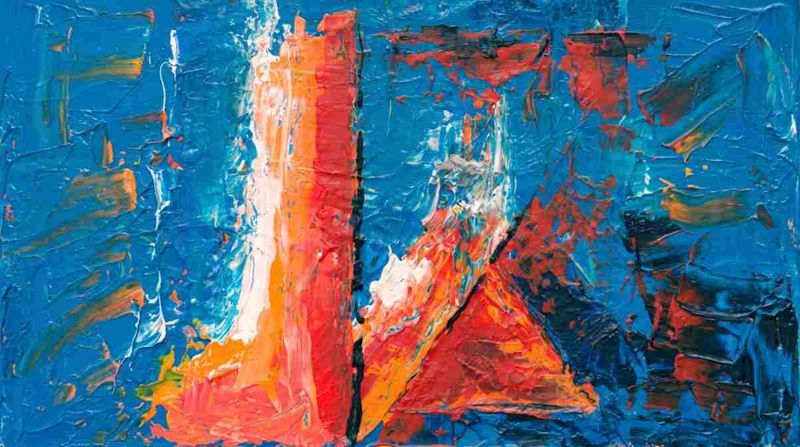
History offers some genuinely useful examples of how limitations shaped creative movements, though it's worth being careful about overstating how "strict" any particular constraint actually was.
Pablo Picasso's Cubist works explored fragmented, restricted approaches to representing form and perspective, deliberately breaking away from traditional realistic depiction as a kind of self-imposed structural limit.
Georges Seurat's Pointillism relied on a systematic technique: building entire images out of small dots of color, a constraint on method that shaped the entire visual language of the style.
Oulipo-inspired creative practices, a movement associated with writers and artists who intentionally worked within strict formal rules, show how a deliberately narrow set of rules can generate entirely new kinds of work rather than limiting it.
Limited palette artworks demonstrate how artists working with a narrow range of colors often produce more cohesive, expressive results than those working with an unrestricted palette, because the limitation forces more deliberate choices.
Artists working under conditions of scarcity or exile have historically had to create with whatever materials were available to them, and that necessity has often pushed unexpected creative solutions that wouldn't have emerged under easier conditions.
The common thread across all of these examples isn't that limitation was pleasant. It's that the limitation gave the work a defined problem to respond to, and the response is what became historically significant.
How Teachers Can Use Constraints in the Art Classroom
For educators, constraints aren't just a creative tool. They're a teaching tool, and one of the most effective ways to turn a simple instruction into a genuine thinking exercise.
Start With One Simple Rule
Something like: "create an animal using only five shapes." One rule is enough to get students moving without overwhelming them.
Let Students Find Different Solutions
The point isn't for every child to land on the same result. A shared constraint with varied outcomes is exactly what shows the constraint is working.
Ask Students to Explain Their Choices
Questions worth asking:
- Why did you choose that shape?
- What did you change along the way?
- What was the hardest part?
- What's another solution you could try?
Judge the Thinking, Not Just the Final Artwork
Look past the finished piece and pay attention to:
- Originality
- Experimentation
- Problem solving
- Interpretation
- Willingness to take risks
- Ability to adapt when something isn't working
Grading the process, not just the product, is what turns a constraint from a rule into a genuine learning opportunity.
Creative Constraint Exercises for Students
Practical activities that can be used right away in a classroom or studio setting.
Exercise 1: Three Shapes, One Story Create a complete scene using only three basic shapes.
Exercise 2: One Colour Challenge Create an artwork using a single color and its shades.
Exercise 3: Ten Minute Artwork Create and complete a piece in 10 minutes, start to finish.
Exercise 4: No Brush Painting Create a painting without using a conventional paintbrush.
Exercise 5: Same Object, Three Ideas Give students one everyday object and ask them to represent it three completely different ways.
Exercise 6: Turn the Constraint Into the Idea Hand students a restriction and ask them to make the restriction itself part of the artwork's concept.
How Constraints Build Creative Problem Solving Skills
The value of constraints goes beyond a single art class. They build habits of mind that carry over into how students approach problems generally, including:
- Observation
- Decision making
- Flexibility
- Experimentation
- Resourcefulness
- Critical thinking
- Visual reasoning
- Problem solving
From "What Should I Make?" to "How Can I Solve This?"
This shift in framing is the real payoff. A student who learns to treat a limitation as a problem to solve, rather than an obstacle to complain about, carries that skill into every future creative challenge, in and out of the art room.
Finding the Right Balance Between Freedom and Structure
Creativity needs room to explore, but exploration without any direction tends to stall out. Structure gives that exploration somewhere to go. Too much freedom can overwhelm; too many restrictions can suppress experimentation before it starts. The best creative environments tend to land somewhere in between, offering a clear challenge with enough room for multiple valid solutions.
AJF Insight
At AJF, creative learning isn't only about the artwork a child ends up producing. It's about the chance to observe, interpret, experiment, make decisions, and arrive at their own solutions along the way. Seen this way, a constraint isn't just a rule handed down to a student. It becomes a creative problem waiting to be solved, and solving it is where the real learning happens.
Conclusion
So, does creativity need complete freedom to thrive? Not necessarily. Boundaries can give creativity something to push against, and that resistance is often what produces the most interesting work. The value of a constraint isn't in limiting an artist's imagination. It's in encouraging them to find possibilities inside a challenge they didn't choose.
Sometimes, creativity doesn't need more possibilities. It needs a problem worth solving.
FAQs
1. Why do constraints often lead to more creative outcomes?
Constraints reduce the number of initial choices an artist has to make, which lowers decision fatigue and makes starting easier. They also force artists away from their default habits, pushing them toward alternatives and unfamiliar approaches they might not have tried under open conditions.
2. What kinds of creative constraints can artists use intentionally?
Common types include time constraints, material constraints, color constraints, shape constraints, subject constraints, technique constraints, and conceptual constraints. Each one shapes the work differently, so mixing them keeps a creative practice from getting repetitive.
3. Does too much freedom actually hurt creative work?
It can. Unlimited options often lead to what's known as the blank page problem, where the sheer number of possible directions delays getting started at all. This is especially common for beginners, who tend to benefit from at least some structure.
4. How can teachers use constraints as a classroom exercise?
Start with a single, simple rule, let students arrive at different solutions rather than expecting one "correct" answer, and evaluate the thinking behind the work, not just the finished piece. Asking students to explain their choices reinforces the problem solving side of the exercise.
5. What are examples of famous artworks made under strict constraints?
Picasso's Cubist work, Seurat's Pointillism, Oulipo's formally restricted writing and art, and limited-palette paintings are all commonly cited examples. It's worth noting that the word "strict" should be used carefully, since the degree of restriction varied across these movements.
6. Can creative constraints help children develop problem-solving skills?
Yes. Working within a boundary encourages observation, decision-making, flexibility, and resourcefulness, skills that extend well beyond the art room and into general problem-solving.